
Article
What Role Does Human Factors Play In Process Safety?
16/03/2026
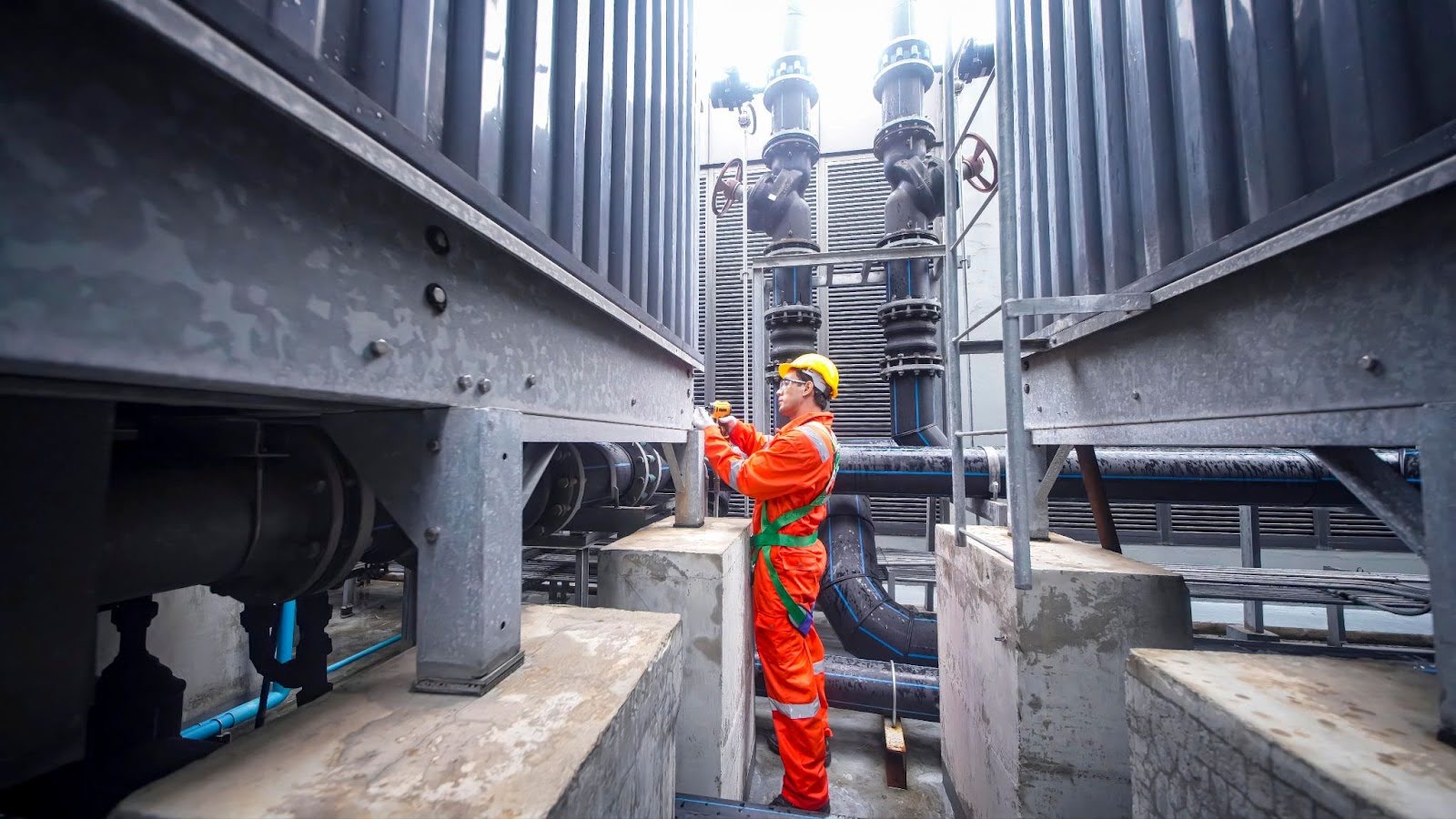
Human factors play a central role in process safety by shaping how people interact with systems, procedures, and equipment in high-risk environments. They influence decision making, response to abnormal situations, and the reliability of safety critical tasks.
When human factors are poorly addressed, even well-designed technical safeguards can fail. When they are properly considered, process safety systems become more resilient and effective.
In major industrial incidents, the root cause is rarely a single equipment failure. More often, investigations identify a combination of technical weaknesses, unclear procedures, workload pressures, and human decision making.
Understanding how human factors improve process safety is therefore essential for reducing incidents caused by human error and strengthening process safety management.
Understanding Human Factors in Process Safety
Human factors in process safety is about designing systems that support people to do the right thing, even under pressure. It considers how real humans behave, not how procedures assume they behave.
This includes factors such as workload, fatigue, communication, training, interfaces, and organisational culture. When these elements are poorly managed, even well-designed technical safeguards can fail. When they are properly addressed, safety systems become more robust and resilient.
Human factors engineering does not remove responsibility from individuals. Instead, it recognises that errors are often predictable and preventable through better system design.
Why Human Error Is a Leading Cause of Incidents
Many process safety incidents involve human interaction with equipment or control systems. This might be an incorrect valve alignment, a missed alarm, a misunderstood procedure, or a decision made under time pressure.
Reducing incidents caused by human error starts with accepting that people will make mistakes, particularly in complex environments. The goal of process safety management is not to eliminate human involvement, but to reduce the likelihood that normal human behaviour leads to serious consequences.
Examples include control room layouts that make alarms difficult to prioritise, procedures that are too complex to follow during abnormal situations, or maintenance tasks that rely heavily on memory rather than clear visual cues.
Human Reliability in Safety Systems
Human reliability is a key consideration in safety critical tasks. This refers to the likelihood that a person will perform a task correctly when required.
In process safety, human reliability becomes especially important when people are part of a protection layer. For example, an operator responding to an alarm, a technician carrying out a safety critical test, or a supervisor authorising a permit.
Human reliability analysis helps identify where tasks are vulnerable to error and what conditions increase that risk. These conditions might include poor lighting, high noise levels, conflicting priorities, or unclear responsibilities.
By understanding these factors, safety engineers can design controls that reduce reliance on perfect human performance.
The Role of Human Factors Engineering in Hazard Studies
Human factors engineering plays an important role in structured risk assessments such as HAZOP studies. While HAZOP focuses on process deviations and technical causes, it also highlights where human actions can initiate or prevent hazardous scenarios.
For example, a deviation may be caused by incorrect manual intervention, delayed response to an alarm, or misinterpretation of operating instructions. Including human factors in HAZOP discussions helps teams identify where procedures, training, or interfaces may need improvement.
This strengthens the overall quality of the study and leads to more practical recommendations that reflect how the plant is actually operated.
Improving Process Safety Management Through Human Factors
Effective process safety management requires more than compliant documentation. It requires systems that work in real operating conditions, including during abnormal situations.
Human factors contribute directly to this by shaping how procedures are written, how training is delivered, and how safety systems are maintained. Clear procedures that match how work is carried out, realistic training that reflects actual hazards, and interfaces that support decision making all improve safety performance.
A strong focus on human factors also supports learning from incidents and near misses. Instead of blaming individuals, organisations can identify systemic weaknesses and address them before a more serious event occurs.
Building a Strong Safety Culture
Safety culture is closely linked to human factors. It influences whether people feel able to raise concerns, challenge unsafe decisions, or stop work when something does not feel right.
A positive safety culture encourages open communication and continuous improvement. It recognises that reporting errors and near misses is a valuable source of learning, not a reason for blame.
Human factors engineering supports this by aligning systems, procedures, and leadership behaviours with the reality of how people work.
Practical Benefits of Addressing Human Factors
Organisations that actively address human factors in process safety often see benefits beyond incident reduction. These include improved operational efficiency, fewer unplanned shutdowns, and greater confidence in safety systems.
When tasks are designed to be clear and achievable, work is completed more consistently. When alarms are prioritised effectively, operators can respond more quickly. When training reflects real scenarios, teams are better prepared for abnormal events.
These improvements reduce risk while also supporting reliable day-to-day operations.
How 6 Engineering Supports Human Factors in Process Safety
At 6 Engineering, we understand that process safety is as much about people as it is about equipment. Our approach integrates human factors into hazard studies, risk assessments, and safety system design.
We work closely with teams to understand how tasks are actually performed, not just how they are written in procedures. This allows us to identify where human error is most likely and where improvements will have the greatest impact.
By combining technical expertise with practical insight, we help clients strengthen their safety systems, reduce incidents caused by human error, and improve confidence in their operations.
If you would like to understand how human factors engineering can improve your process safety management, get in touch with 6 Engineering to discuss how we can support your site.